
Concurrent sensor events needed to be captured accurately enough to support trustworthy analytics and product decisions.
Client use case
IoT data reliability and infrared motion heat-map visualization.
A reliability and visualization engagement for concurrent motion-sensor data: protect the ingestion path, make the records useful, and prove a clearer spatial view.
ClientSentistic
Sentistic focuses on smarter buildings through privacy-first, heat-based sensor intelligence that helps spaces sense, learn, and operate more efficiently.
Adjacent proof for operations software: reliable data capture comes before useful dashboards, customer status, or admin decisions.
Client domainSmart-building IoT
System typeLegacy ingestion and analytics
Data challengeConcurrent high-throughput sensor flow
PoC outcomeHoneycomb infrared heat-map visualization
The legacy environment had constrained infrastructure and a demanding data path where reliability mattered before presentation.
MLPOINT worked on ingestion reliability, analytics screens, and a honeycomb infrared motion heat-map proof of concept.
The engagement moved from operational support into product-grade visualization because the data path became easier to trust.
The work
Making constrained IoT infrastructure dependable enough for analytics.
The engagement combined legacy-system support with product experimentation: protect high-throughput concurrent sensor writes, make the resulting data useful through metrics, then prove a richer spatial view through infrared motion visualization.
Legacy reliability support
Worked inside an existing application that needed to read concurrent IoT data streams and preserve accurate writes under limited infrastructure.
Accurate data storage
Focused on dependable ingestion and storage behavior so the legacy system could keep trusted operational records for downstream analytics.
Analytics screens
Turned captured data into metric views that transformed raw sensor flow into readable operational insight.
Motion visualization PoC
Delivered a dynamic honeycomb grid representation for infrared motion sensor output, turning sensor readings into a visible heat map.
Project evidence
From legacy data flow to a spatial intelligence proof of concept.
The visual evidence matters because the engagement had two jobs: keep sensor data dependable and make motion behavior easier to see.
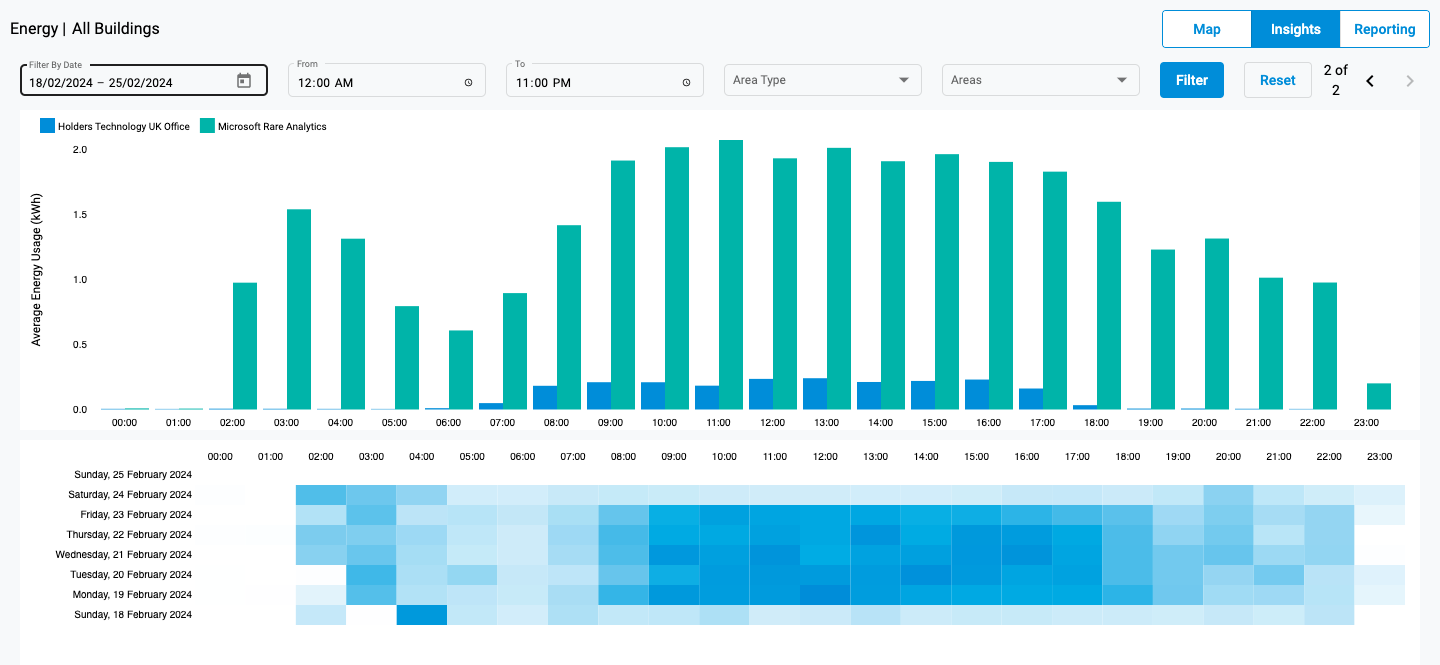
Legacy application support
A reliable intake screen for receiving high-volume IoT events, keeping records reliable, and making analytics possible from existing infrastructure.
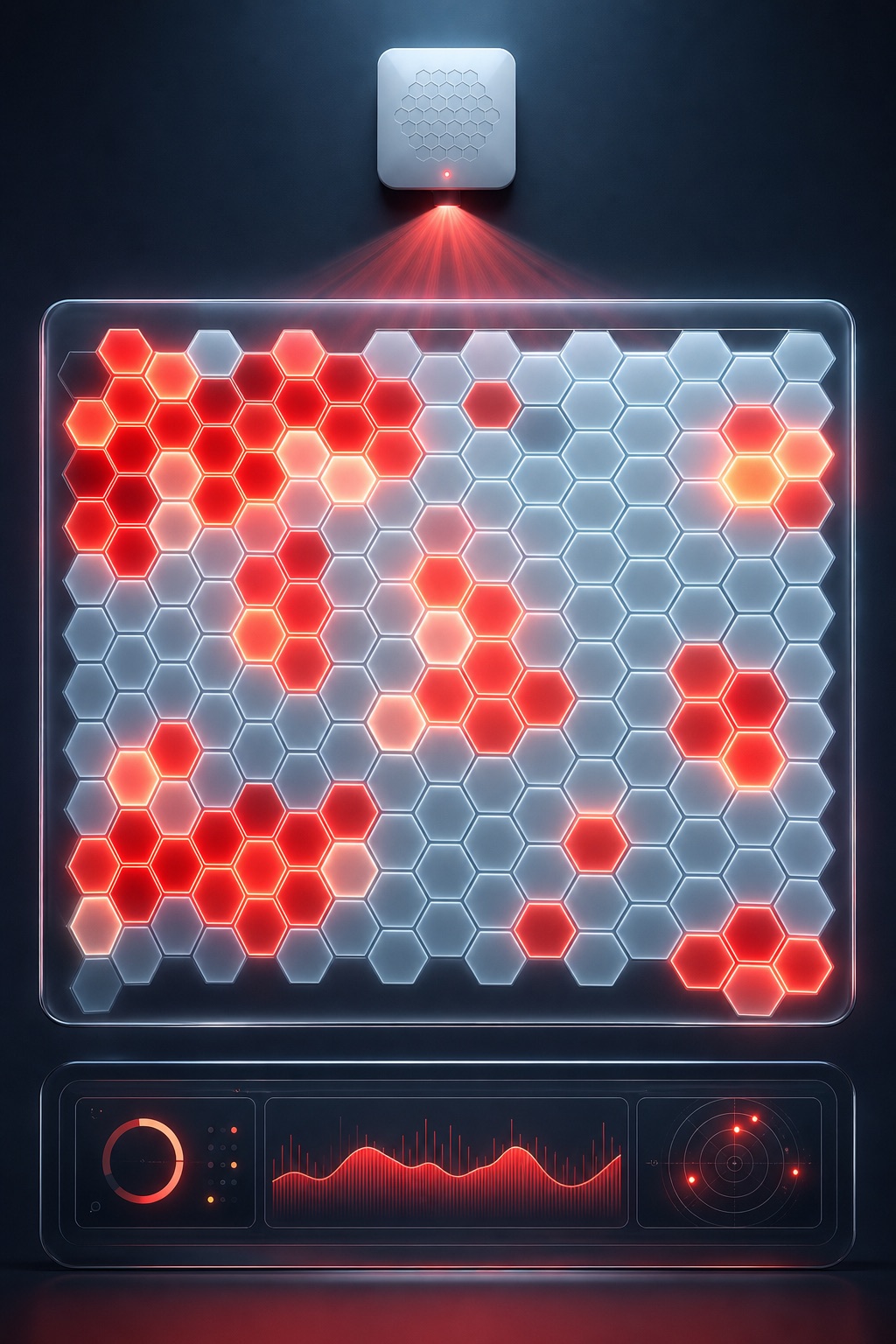
Infrared motion heat-map PoC
A honeycomb visualization model for representing motion intensity and spatial activity from infrared sensor readings.
Outcome
A delivery path that moved from operational support to product-grade visualization.
Strong execution on the legacy data challenge created room for a higher-ambition PoC: a dynamic heat-map representation that made infrared motion data easier to see, reason about, and present.
- Stabilized a demanding IoT data path within constrained infrastructure.
- Made concurrent sensor read, write, and consumption behavior easier to verify.
- Turned raw sensor flow into analytics screens that made operational metrics easier to interpret.
- Delivered the motion-visualization PoC after the reliability work created trust in execution.
Similar problem?
Bring the IoT or analytics work that needs trustworthy data first.
MLPOINT can support constrained systems and data-heavy operations where accuracy, inspection, and presentation all matter.